

Recirculation dust collection unit type PAR-PM
The recirculating dust collection unit PAR-PM is designed for highly effective air purification from all types of dust (including fine solid aerosols) with its concentration in the purified air up to 1 g/m3. It is not recommended for use to capture explosive and flammable dust. If the dust content in the purified air is more than 1 g/m3, it is recommended to install a preliminary air purification stage in front of the unit.
How to order
Leave a request and we will contact you to clarify the details of your order and select the necessary equipment.
Technical requirements and characteristics of the recirculating dust collection unit (PAR-PM)
| The name of indicators | Meaning |
|---|---|
| Nominal capacity, m3/h | 1000 |
| Cleaning efficiency, not less than % – without additional filter – with additional filter, up to |
99 99,999 |
| Reserve “free” pressure for connecting the ventilation network, Pa | 500 |
| Inner diameter of inlet pipe, mm | 160 |
| Electric motor: power, kW |
2.2 |
| Dimensions: length, mm width, mm height, mm |
764 634 1742 |
| Weight, kg | 173 |
General structure of the recirculating dust collection unit (PAR-PM)
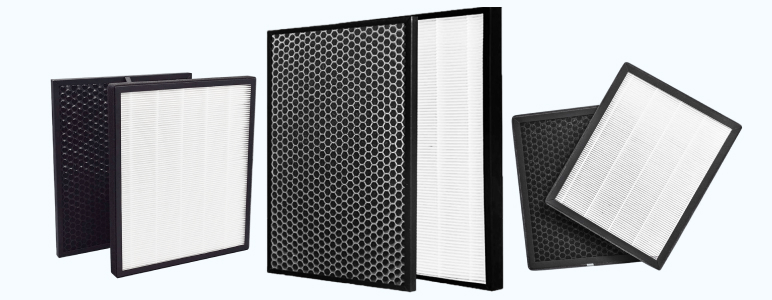
The unit is equipped with a FEP cartridge filter element and a device for mechanical regeneration of the cartridge. Upon request, PAR-PM can be equipped with an additional FyaS filter of classes from F6 to N14 to ensure additional air purification from fine aerosols or a FyaS-S carbon filter to capture gaseous pollutants. In this case, the filter is installed on the top of the unit body, which increases its height by 300 mm. The choice of an additional filter is made depending on the dispersion of the captured aerosols and the requirements for air cleanliness.
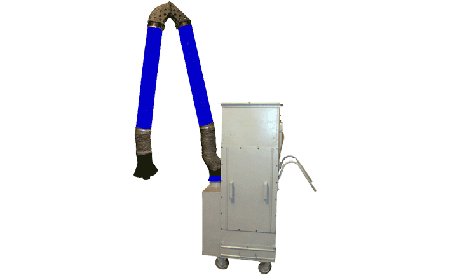
The unit consists of the following main parts: a filter housing, a centrifugal fan, a cartridge-type filter element FEP (hereinafter referred to as the “cartridge”) and a device for mechanical regeneration of the cartridge. On one side, PAR-PM has a removable door for installing a cartridge. The cartridge is installed in the housing on support corners welded along the perimeter of the housing, and is hermetically pressed against them using sealing rubber and special clamping devices. The door is hermetically attached to the body through sealing rubber using screw connections. An air distribution grille is installed at the air outlet of the unit. The unit has a drawer for collecting dust.
The unit is equipped with 4 wheels and a handle with which it can be easily moved around the production facility and installed in a place convenient for servicing technological equipment. The unit can also be manufactured in a stationary version. In this case, instead of wheels, the unit is equipped with special adjustable supports.
To control the final aerodynamic resistance of the cartridge, the unit uses a differential pressure sensor with a light signal. When the cartridge reaches the specified resistance, a light signal is given indicating the need for its regeneration. The cartridge is regenerated periodically using a mechanical device when the unit fan is turned off. During operation, various cantilever-rotary devices, air ducts from local exhausts or another ventilation network can be connected to the unit. The resistance of these devices should not exceed the “free” pressure margin indicated in the table.
Related products
-
 Purification of ventilation emissions
Roll filters type FRS
Specify the priceФільтр рулонний сітчастий (замість фільтрів ФРПМ) призначений для очищення рециркуляційного повітря від волокнистого...
-
 Purification of ventilation emissions
Electric filters type FEKV
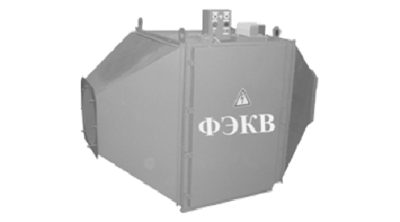
Specify the priceФільтри електричні типу ФЕКВ призначені для очищення повітря від аерозолів твердих та рідких речовин, у тому числі від...
-
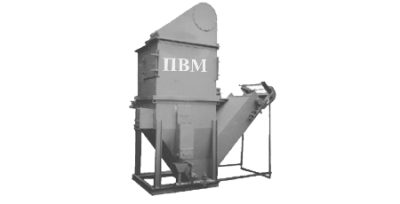 Purification of ventilation emissions
Dust collectors PVM type
Specify the priceПилоуловлювачі вентиляційні мокрі типу ПВМ призначені для очищення повітря, що видаляється витяжними вентиляційними...
-
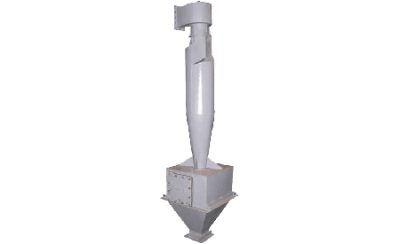 Purification of ventilation emissions
Cyclones type TsN-15
Specify the priceПризначені для сухого очищення повітря та газів, що виділяються при деяких технологічних процесах (сушіння, випалення,...
-
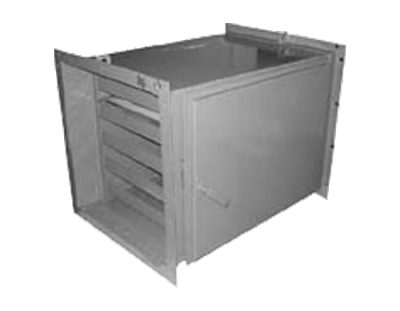 Purification of ventilation emissions
Carbon filter section SUF type
Specify the priceСекція вугільного фільтра призначена для очищення повітря від газоподібних, парових (молекулярних, органічних та...
-
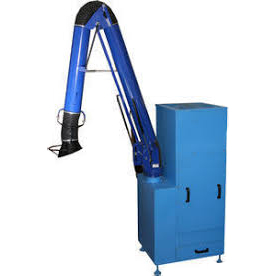 Purification of ventilation emissions
PAR-PIG – recirculation dust collection unit (pulse regeneration – horizontal design)
Specify the priceПилоуловлюючий агрегат рециркуляційний ПАР-ПІГ призначений для високоефективного очищення повітря від усіх видів пилу...
-
 Purification of ventilation emissions
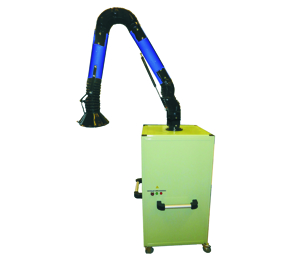
PAR-MN-500 – recirculation dust collection unit
Specify the priceПилоуловлюючий агрегат рециркуляційний ПАР-МН500 призначений для високоефективного очищення повітря (в режимі...
-
 Purification of ventilation emissions
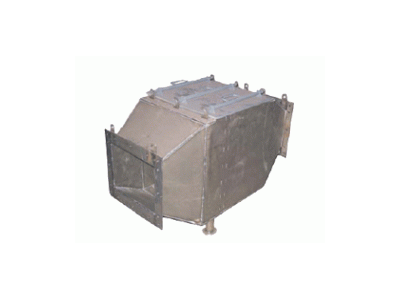
Fiber filters type FKG-T and FKG-N
Specify the priceВолокнисті фільтри ФКГ-Т; ФКГ-Н та ФКГ-П аналоги фільтрів ФВГ-Т та ФВГ-М призначені для санітарного очищення повітря...
-
 Purification of ventilation emissions
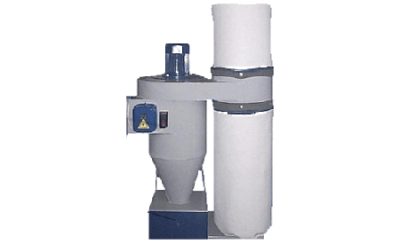
Universal mobile dust collectors
Specify the priceПропонуємо до Вашої уваги нове покоління внутрішньоцехових мобільних пиловловлювачів. Промислові пиловловлювачі В-9,...